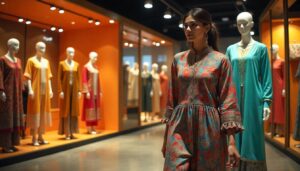

Introduction to Gilgit and Kashmir’s Fashion Landscape
The fashion landscape of Gilgit and Kashmir is a vibrant tapestry woven from its rich cultural heritage and the modern influences that permeate through its society. This region, nestled amidst towering mountains and lush valleys, boasts a unique style that reflects its diverse demographics, including various ethnic groups, each contributing to a mosaic of fashion expressions. Traditional attire in Gilgit and Kashmir often combines functional design with stunning aesthetics, featuring intricate embroidery, bright colors, and luxurious fabrics. The iconic shawls, handwoven with exquisite craftsmanship, are perhaps the most notable representation of this region’s fashion legacy. These shawls not only serve as practical garments but also as symbols of identity and status among local communities.
As modern influences make their way into the local fashion scene, one can observe a fascinating interplay between timeless traditions and contemporary trends. The youth in urban centers such as Gilgit town and Srinagar are increasingly adopting global fashion styles, integrating Western elements into their wardrobes. This blend results in a unique sartorial expression that speaks to the evolving cultural dynamics of the region. Events showcasing local fashion are becoming more frequent, providing a platform for emerging designers to redefine traditional attire while incorporating innovative designs and materials.
The rich textile heritage of the region, characterized by techniques passed down through generations, harmonizes well with new-age design philosophies. This fusion is exemplary of the region’s adaptability and respect for cultural roots. The region’s fashion landscape remains a testament to its resilience, preserving heritage while embracing change. This intricate balance highlights the continual evolution of Gilgit and Kashmir’s fashion identity, making it a captivating subject for exploration. As we delve deeper into its specific elements, it becomes evident that the fashion of this region is not just about clothing; it is an essential part of its cultural narrative.
Traditional Attire: The Heart of Fashion in Gilgit and Kashmir
The traditional clothing of Gilgit and Kashmir is not only a crucial aspect of the region’s fashion but also a vivid reflection of its rich cultural heritage. Among the most iconic garments are the Pashmina shawls, Kani shawls, and the vibrant Gulabi shawls, each possessing a unique history and significance. The exquisite Pashmina shawl, renowned globally, is crafted from the fine wool sourced from the Changthangi goat, native to the cold highlands of the region. This luxurious material is handspun and woven, resulting in a soft, warm fabric that showcases intricate designs often inspired by nature and traditional motifs. The craftsmanship involved in creating a Pashmina shawl requires immense skill and can take weeks or even months, depending on the complexity of the patterns.
Similarly, Kani shawls hold a special place in Kashmiri culture. These shawls are crafted using a special weaving technique called Kani, which employs small wooden sticks called Kanis. The artisans handweave vibrant patterns, including floral and paisley designs, often with a contrasting border, making each shawl a work of art. The Kani shawls typically utilize a mix of fine wool and sometimes silk, contributing to their luxurious feel and aesthetic appeal. This traditional craft has passed down through generations, preserving both the artistic value and the cultural narratives embedded within the designs.
Lastly, the Gulabi shawls are celebrated for their striking colors and warmth. Traditionally woven in the regions surrounding Srinagar, these shawls often feature bold patterns and are made from high-quality wool. The Gulabi shawl symbolizes the region’s vibrancy and joy, embodying the spirit of its people. With their rich hues and intricate designs, these traditional garments not only serve practical purposes but also act as a testament to the cultural identity of the people in Gilgit and Kashmir, intertwining their heritage with the fabric of everyday life.
The Role of Embroidery and Handicrafts
Embroidery and handicrafts serve as integral components of the fashion landscape in Gilgit and Kashmir, reflecting the region’s rich cultural heritage and artistic expression. The fine craftsmanship evident in these textiles not only enhances clothing but also elevates home decor, making them essential to the daily lives of the local population. Among the many forms of embroidery, Sozni and Khatri stand out for their distinctive styles and techniques, each carrying its own history and significance.
Sozni embroidery is characterized by its delicate and intricate needlework, often implemented on shawls, garments, and decorative pieces. This type of embroidery employs repetitive floral patterns, which create a sense of elegance and sophistication. Traditionally, artisans use fine wool and silk threads, ensuring that the final product is both aesthetically pleasing and durable. The labor-intensive process involves hours of meticulous stitching, signifying the dedication and skill passed down through generations.
Conversely, Khatri embroidery presents a bolder approach, incorporating vibrant colors and designs that showcase the unique identity of the region. This technique is commonly used on heavier fabrics and is often associated with traditional attire, including the famed Pashmina shawls. The artisans specializing in Khatri embroidery are renowned for their ability to blend colors and patterns, creating striking visual effects that not only capture attention but also convey cultural narratives.
Handicrafts, including woodwork and weaving, further complement the embroidered textiles, highlighting the artistry of local craftsmen. These artisans play a crucial role in keeping traditional practices alive, ensuring that the next generation appreciates the cultural significance of their heritage. By incorporating such rich embroidery in both clothing and home decor, the people of Gilgit and Kashmir maintain a tangible connection to their past while continuing to innovate in the fashion realm.
Modern Influences: A Fusion of Traditional and Contemporary Styles
In the vibrant regions of Gilgit and Kashmir, the evolution of fashion is significantly influenced by contemporary trends while retaining the essence of traditional attire. Local designers have embraced this dynamic interaction, allowing them to blend the rich cultural heritage inherent in their garments with modern aesthetics. This fusion has created a unique sartorial tapestry that reflects both the region’s historical roots and the ever-changing global fashion landscape.
The traditional garments of Gilgit and Kashmir, such as the pheran and shawls, have long been recognized for their intricate craftsmanship and vibrant colors. However, modern influences are prompting a transformation in these classic pieces. Designers are experimenting with materials, cuts, and embellishments, incorporating modern silhouettes that appeal to a broader audience. For instance, the use of sustainable fabrics and contemporary styling elements is becoming increasingly common, creating a fresh take on traditional clothing.
Several local designers and brands have emerged as key players in this fashion revolution. These visionaries are utilizing cutting-edge techniques while staying true to their cultural roots. By participating in fashion weeks and exhibitions, they are gaining visibility and recognition beyond their local markets. Additionally, collaborations with international designers are further enriching the design landscape, adding an array of fresh perspectives to the long-established fashion traditions of the region.
The result is a new wave of fashion that is not merely a replica of Western trends but a thoughtful synthesis of cultural heritage and modernity. This approach not only appeals to younger generations yearning for contemporary styles but also fosters a newfound appreciation for the artistry embedded in traditional garments. As local designers continue to innovate and adapt, the future of fashion in Gilgit and Kashmir looks promising, poised to captivate audiences both locally and globally.
Fashion Events and Shows in Gilgit and Kashmir
The fashion landscape in Gilgit and Kashmir has seen a remarkable evolution, thanks in large part to a burgeoning array of fashion events and shows that spotlight local designers and traditional attire. These gatherings serve as a significant platform, allowing designers to showcase their creativity while intertwining cultural narratives and heritage. Each event is not only a celebration of fashion but also a vital source for cultural exchange, enriching both local and international audiences with the unique craftsmanship of this region.
Fashion events such as the “Kashmir Fashion Week” have gained notable popularity, offering a dedicated space for emerging and established designers to present collections that reflect the rich tapestry of Kashmiri culture. This annual event emphasizes the need to preserve traditional craftsmanship while encouraging innovative designs suitable for modern sensibilities. Such moments are pivotal, as they provide designers the opportunity to display their work and gain recognition, which is essential for fostering local talent.
Furthermore, community-driven shows often take place across various scenic venues in Gilgit and Kashmir, blending breathtaking backdrops with artistic expressions in fashion. These shows frequently feature local artisans who utilize indigenous materials like Pashmina and embroidery techniques that have been passed down through generations. By including these elements, the events not only honor the cultural heritage but also promote sustainability and ethical fashion practices.
In addition to showcases, seminars and workshops held alongside fashion events play a crucial role in educating attendees about the significance of traditional fashion. These educational components ensure that the next generation can appreciate and uphold the legacy of their cultural fashion heritage. Therefore, the presence of diverse fashion events in Gilgit and Kashmir is undeniably crucial, as they nurture local talent, stimulate cultural dialogue, and embody the region’s rich traditions through a contemporary lens.
Sustainable Fashion Practices in Gilgit and Kashmir
In recent years, the fashion landscape in Gilgit and Kashmir has seen a remarkable shift towards sustainable practices, reflecting a growing global awareness of environmental impacts associated with clothing production. Local artisans are placing a significant emphasis on eco-friendly materials and traditional methods of craftsmanship, which are deeply rooted in the region’s cultural heritage. The integration of sustainability not only preserves the environment but also honors the intricate skills passed down through generations.
One of the defining characteristics of sustainable fashion in this region is the use of natural fibers, such as wool, cotton, and silk. Artisans are increasingly turning to organic sources that require minimal chemical intervention, thereby safeguarding the local ecosystem. The production of pashmina and woolen shawls, for example, showcases the use of sustainably sourced fibers, providing warmth and comfort while supporting the livelihoods of nomadic herders who engage in responsible breeding practices.
Furthermore, many designers are adopting zero-waste techniques, which aim to minimize fabric scraps and unnecessary waste during the garment-making process. By utilizing traditional weaving patterns and dyeing methods, artisans not only celebrate their cultural heritage but also create visually stunning pieces that resonate with eco-conscious consumers. These practices ensure that the fashion produced is both stylish and environmentally friendly, making a sustainable statement against fast fashion trends.
Community-based initiatives are also emerging, promoting training programs that teach sustainable techniques to young artisans. This not only perpetuates traditional crafts but also encourages a new generation to engage in sustainable fashion practices. As these local artisans prioritize sustainability, they demonstrate that fashion can be an expression of cultural identity while fostering a conscious approach to the environment. The impact of these efforts contributes positively to both the preservation of fashion heritage in Gilgit and Kashmir and the global movement towards more responsible consumption.
The Influences of Climate on Fashion Choices
The distinct climatic conditions in Gilgit and Kashmir play a pivotal role in shaping the fashion choices of the region. The fluctuating weather patterns, marked by cold winters and warm summers, necessitate a unique approach to clothing, influencing not only the types of fabrics chosen but also the overall style and layering techniques. The extreme cold temperatures during winter months dictate the need for thermal insulation, prompting the use of heavy woolen garments and layered outfits.
Wool, for instance, is a primary fabric embraced by local artisans, known for its superior warmth and durability. Shawls, often handcrafted using pashmina or merino wool, are not merely fashion statements but essential pieces that provide comfort against biting cold. Additionally, long skirts and heavy cloaks are common attire during the winter, allowing versatility through layering while ensuring adequate protection from harsh weather conditions.
As the seasons transition to warmer months, the fashion scene in Gilgit and Kashmir evolves to accommodate rising temperatures. During this time, lighter fabrics such as cotton and silk become more prevalent. These materials offer much-needed breathability while still honoring traditional styles. Consequently, the use of lighter shawls and embroidered kurtas becomes fashionable, allowing individuals to maintain cultural identity without compromising comfort.
Furthermore, the region’s vibrant colors and intricate designs reflect the local landscape and cultural diversity, providing more than just aesthetic appeal. Traditional motifs and patterns are seamlessly integrated into both winter and summer attire, showcasing an enduring connection to cultural heritage. Therefore, the influence of climate not only dictates the practicality of clothing but also fosters a rich tapestry of fashionable expressions that resonate with the essence of Gilgit and Kashmir.
Celebrity Influence and Fashion Icons from the Region
The realm of fashion in Gilgit and Kashmir has been significantly shaped by various celebrities and fashion icons originating from these culturally rich regions. With their unique styles and strong presence, these individuals have not only contributed to the local fashion scene but have also garnered attention on a national and international scale. By seamlessly blending traditional elements with contemporary aesthetics, they have paved the way for a new fashion narrative that resonates with both local and global audiences.
Among the most prominent figures is the renowned actress and model, whose attire often features traditional Kashmiri shawls and intricate embroidery, highlighting the region’s artisanal craftsmanship. This celebrity has successfully brought attention to the rich textile heritage of Kashmir, encouraging fashion enthusiasts to embrace local artisans and contribute to sustainable practices. By donning these ethnic pieces at high-profile events, she has elevated their status, inspiring emerging designers to incorporate heritage textiles into modern collections.
In addition to actresses, male fashion icons have also made noteworthy contributions. For instance, a popular singer from Gilgit has gained recognition for his stylish fusion of traditional attire with contemporary pieces. His fashion choices often reflect a deep appreciation for his cultural roots while appealing to a younger audience. This blend of styles has sparked interest among many fans, leading to a surge in the popularity of traditional wear as part of everyday fashion.
The influence of these celebrities extends beyond mere aesthetics; they play a crucial role in promoting cultural pride and awareness. By showcasing traditional garments on prestigious platforms and through social media, they have helped revive interest in local crafts and prompted a conversation around the importance of cultural preservation. As such, their contributions are integral to the evolving fashion landscape in Gilgit and Kashmir, reinforcing the connection between heritage and modernity in contemporary fashion.
Conclusion: The Future of Fashion in Gilgit and Kashmir
The fashion landscape in Gilgit and Kashmir presents a unique interplay of rich cultural heritage and modern influences. As discussed, the region is characterized by its traditional crafts, vibrant textiles, and distinct patterns, which have successfully captured the attention of both local and international audiences. However, as the global fashion industry evolves, local designers and artisans face a series of challenges and opportunities that could shape the future trajectory of fashion in the area.
One significant challenge stems from the need to strike a balance between maintaining traditional practices and adapting to contemporary trends. Local artisans often grapple with the pressure of mass production that can undermine the intricate craftsmanship inherent in their work. Nonetheless, this also presents an opportunity for these artisans to embrace innovation while preserving their cultural identity. By integrating modern design elements with traditional craftsmanship, they can create fashion pieces that resonate with a broader audience.
Moreover, with the rise of sustainable fashion, there is an increasing demand for ethically-produced garments, which aligns with the time-honored techniques practiced by local artisans. As consumers become more conscious of their purchasing choices, the potential for Gilgit and Kashmir’s fashion sector to thrive in this sphere becomes evident. Educational initiatives and training programs aimed at empowering artisans in areas such as marketing and digital literacy can further enhance their prospects.
In conclusion, the future of fashion in Gilgit and Kashmir hinges on a delicate balance of tradition and innovation. By addressing the challenges head-on while capitalizing on emerging opportunities, local designers and artisans can navigate the rapidly changing global fashion landscape effectively. The potential for growth in this sector is promising, underscoring the importance of supporting and nurturing the unique fashion culture of this vibrant region.