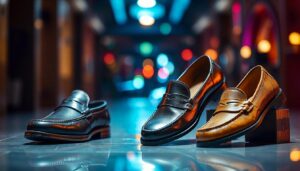
Exploring the Different Types of Loafers
Loafers, a versatile staple in contemporary footwear, come in various styles that cater to different occasions and tastes. Among the most iconic types are classic penny loafers, modern tassel loafers, and stylish driving loafers, each distinguished by unique design characteristics and materials.
Penny loafers, easily identified by their signature slit on the upper, originated as a practical slip-on shoe for men. Traditionally crafted from leather, these loafers exude a timeless elegance, making them suitable for both casual and semi-formal settings. Their structured design provides a polished appearance, allowing them to pair seamlessly with tailored trousers or chinos.
In contrast, tassel loafers introduce a touch of sophistication and flair, featuring decorative tassels on the upper. Often made from luxurious materials such as suede or patent leather, these loafers have gained popularity for social occasions, like weddings or formal dinners. The unstructured nature of many tassel loafers offers added comfort, making them an excellent choice for extended wear.
Driving loafers are another notable style, designed primarily for comfort while driving. Characterized by a softer construction and rubber driver pads on the sole, these loafers provide flexibility and grip. They are typically made from supple leather or suede and are perfect for a casual day out, often paired with shorts or relaxed-fit jeans.
When considering structured versus unstructured loafers, it is essential to note that structured loafers tend to provide more arch support and maintain a defined shape, making them ideal for formal occasions. Conversely, unstructured loafers prioritize comfort and ease, often emphasized by softer materials that mold to the foot over time. Understanding these nuances helps individuals choose the ideal pair of loafers to enhance their wardrobe effectively.
When to Wear Each Type of Loafer
Loafers are versatile footwear that cater to various occasions and styles. Understanding the right type of loafer for specific events is essential for making a polished impression. The classic penny loafer is a timeless choice for formal settings, often seen as a staple in professional attire. These shoes embody sophistication and can be paired beautifully with tailored suits or a smart blazer and dress trousers. Whether it’s a business meeting, a formal dinner, or a wedding, penny loafers elevate any ensemble, ensuring that the wearer exhibits both style and professionalism.
On the other hand, driving loafers serve best in casual outings and laid-back social gatherings. Usually crafted from softer leather or suede, these loafers present a sporty and relaxed vibe. They work well for weekend brunches, casual Fridays at the office, or driving trips, providing comfort without compromising on style. Pair them with chinos, denim, or shorts for a casual yet put-together look. Opting for brighter or patterned driving loafers can also inject some personality into the outfit.
Tassel loafers occupy the middle ground between formal and casual footwear, making them an ideal choice for semi-formal occasions. They are often considered a more stylish alternative to penny loafers, suitable for events like cocktail parties or dinner dates. Tassel loafers pair well with tailored shorts, chinos, or even lighter summer suits, adding a touch of elegance while maintaining a comfortable fit. It is essential to choose the right color and material; darker shades in premium leather tend to appear more formal, while lighter tones enhance a more relaxed style.
Signs of Quality: How to Differentiate Better Quality Loafers
When selecting the perfect loafers, understanding the signs of quality is paramount. The materials used in loafers can significantly influence both their longevity and comfort. Full-grain leather, often regarded as the benchmark for high-quality footwear, retains its natural texture and durability. It is less processed than other types of leather, which allows it to develop a beautiful patina over time. In contrast, suede offers a softer, textured surface but may not be as rugged in nature. Weighing the pros and cons of each material is crucial for discerning buyers.
Another key indicator of quality is the craftsmanship involved in the stitching and overall construction of the loafers. A well-constructed pair of loafers will exhibit precise and even stitching without any loose threads or inconsistencies. There are various construction techniques in the industry, with Blake and Goodyear welt being the most notable. Blake-stitched loafers have a lighter construction and allow for more flexibility, making them ideal for casual wear. On the other hand, Goodyear welted loafers are known for their sturdiness and ability to be resoled, which enhances their longevity.
Comfort should not be overlooked when evaluating quality. The insole and lining materials can significantly affect how well a pair of loafers supports the foot. Look for loafers lined with soft leather or breathable fabric that ensures comfort during extended wear. Moreover, paying attention to the arch support and cushioning in the sole can help enhance the overall wearing experience.
Ultimately, it is these finer details in material, stitching, and craftsmanship that distinguish high-quality loafers from cheaper alternatives. By investing in quality, one can ensure that their loafers provide both style and durability for years to come.
Caring for Your Loafers: Maintenance Tips
Proper care and maintenance are essential for ensuring that your loafers remain in excellent condition over time. The longevity and appearance of loafers can significantly benefit from a consistent maintenance routine. Regular cleaning is the very first step in preserving their aesthetic appeal. For leather loafers, use a soft brush or cloth to remove any dirt and dust after each wear. A gentle leather cleaner can be applied periodically to eliminate accumulated grime. For suede loafers, a specialized suede brush helps to restore the nap and remove surface dirt without damaging the material.
Conditioning leather loafers is another crucial aspect of their upkeep. Applying a high-quality leather conditioner every few months will help maintain the suppleness and prevent cracking. Choose a conditioner that is suitable for your specific type of leather to achieve the best results. In contrast, suede loafers should not be treated with conditioner; instead, you can use a soft cloth to gently wash them, ensuring they retain their texture and appearance.
Storing loafers properly is vital to avoid warping and ensure they maintain their shape. When not in use, consider keeping them in a dust bag or original box. Each pair can benefit from the use of shoe trees, which help maintain their form and absorb excess moisture. Furthermore, applying protective sprays specifically designed for leather or suede can offer an additional layer of protection against water and stains. It is advisable to reapply these sprays every few months, especially if the loafers are subject to regular wear.
Lastly, polishing your leather loafers enhances their appearance and builds a protective layer. Polish should be applied sparingly and according to the material type; suede loafers require different care. By adopting these maintenance tips, you can extend the lifespan of your loafers and keep them looking pristine, regardless of the occasions on which you wear them.